
Fertilization & Weed Control
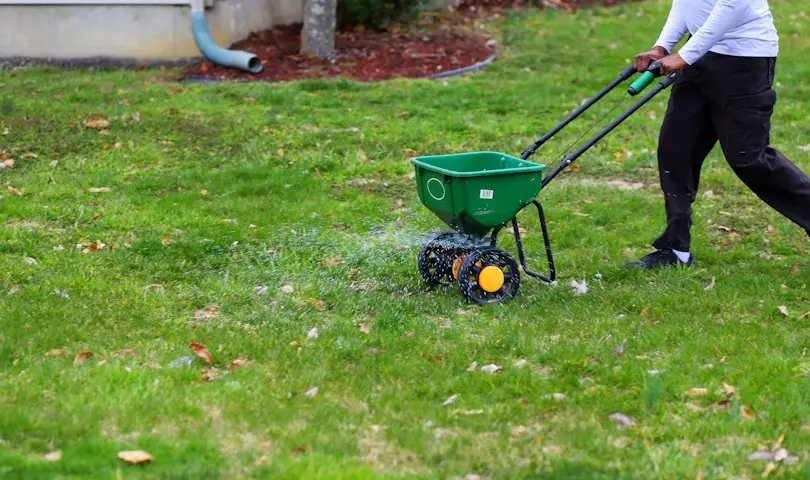
Pre-emergent in the two windows that matter, plus seasonal feeding that builds root depth first and color second.
Timed to Soil Temperature, Not the Bag
A thick lawn crowds weeds out on its own. Getting there takes feeding on a schedule and stopping weeds before they sprout — not a bag of whatever was on sale in July.
Crabgrass germinates when soil temperature holds near 55°F, which in North Texas means late February. Winter weeds are stopped in September. Miss those two windows and you spend the season pulling weeds that were preventable.
Late winter pre-emergent
Down before soil holds 55°F, stopping crabgrass before it sprouts.
Spring feeding
As the lawn greens up, plus spot treatment on what got through.
Summer slow-release
Pushes roots down instead of forcing top growth into the heat.
Fall pre-emergent and final feeding
Blocks winter weeds and builds reserves before dormancy.
From First Call to Finished Job
Look at the lawn
Grass type, weed pressure and thin spots.
Written plan and price
Four applications across the year.
Applications on schedule
Timed to soil temperature.
Spot treatment
Post-emergent on anything that still shows up.
Fertilization & Weed Control Near You
Fertilization & Weed Control — Common Questions
When should pre-emergent go down in North Texas?
Twice a year: late February for summer weeds like crabgrass, and September for winter weeds.
Will fertilizer burn my lawn in summer?
Fast-release nitrogen in July can. That is why summer gets a slow-release product aimed at roots, not top growth.
Do I need this if you already mow my lawn?
Mowing correctly thickens the turf, which helps, but it does not stop weed seed. The two together give the best result.
More From Green Titan
Ready for a Quote on Fertilization & Weed Control?
Free walkthrough and a flat price in writing. No contract.